
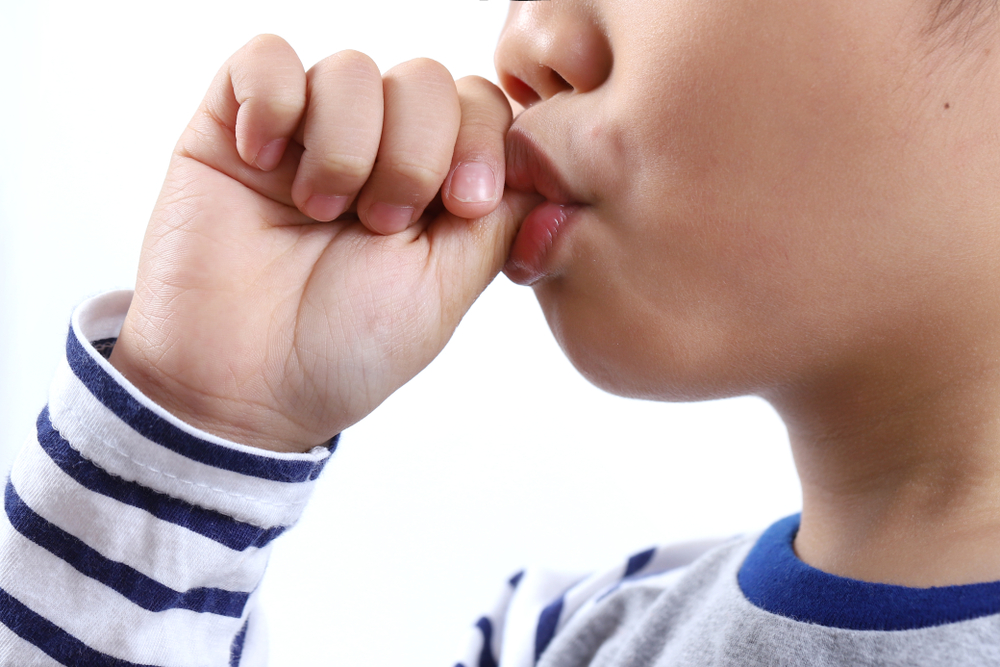
Thumb sucking is incredibly common in young children. For many, it’s a soothing, regulating behaviour that starts in infancy. But when thumb sucking continues past age 3–4, it can start to affect teeth, palate shape, tongue posture, airway development and even sleep.
Clinically, we see the same pattern over and over: a child who is otherwise healthy, but whose thumb-sucking habit gradually reshapes their palate, disrupts tongue posture and increases their risk of dental and airway issues.
The good news? With the right approach, the habit can be changed gently — without stress, shame or power struggles.
Here’s what parents need to know.
Why Thumb-sucking Becomes a Problem
1. It changes how the palate grows
A child’s palate is soft and mouldable. Thumb pressure pushes it upward, creating a high, narrow palate — something commonly linked to:
- dental crowding
- mouth breathing
- snoring
- sleep-disordered breathing
2. It affects tongue posture
When the thumb becomes the go-to comfort position, the tongue loses the chance to rest on the palate. This can influence:
- nasal breathing
- swallowing patterns
- jaw development
- speech articulation
3. It increases mouth-breathing risks
Thumb suckers often sleep with their mouth open. Chronic mouth breathing can:
- dry the oral tissues
- increase oral bacteria
- affect sleep quality and behaviour
- increase dental decay and gum issues
4. It can misalign baby and adult teeth
Prolonged thumb sucking may contribute to:
- overjet (front teeth pushed forward)
- open bite
- crowded or crooked teeth
Not every child experiences these changes — but the risk rises with long-term habits.
When Should Parents Intervene?
Most airway-aware dentists and paediatric specialists recommend taking action if:
- your child is 3–4 years or older
- you can see early changes in tooth position
- your child mouth breathes or snores
- the palate looks high or narrow
- the habit is constant, emotional, or comfort-driven
- your dentist has flagged bite changes
Practical & Gentle Strategies to Break the Thumb-Sucking Habit
1. Start by understanding the “why”
Is your child seeking comfort? Sensory input? Coping with boredom, fatigue or anxiety?
Addressing the emotional or sensory need makes habit change far easier.
2. Replace the habit, don’t just remove it
Younger children may do better with alternatives like:
- soft chewables
- fidget toys
- comfort toys
- a cold washcloth at bedtime
- deep pressure hugs
Older children may benefit from:
- mindfulness
- calming bedtime routines
- transition objects
- reward charts or “thumb-free time” goals
3. Address mouth breathing
If a child can’t breathe comfortably through their nose, the thumb-sucking urge often stays strong.
Supporting allergies, enlarged tonsils, tongue posture or nasal obstruction often reduces the urge naturally.
4. Create a calm, predictable bedtime routine
Most thumb sucking happens when children are tired. A consistent routine helps reduce the need for self-soothing.
5. Use positive reinforcement
Keep it fun, light and encouraging. Sticker charts and small rewards work far better than punishment or pressure.
When to Involve a Paediatric Oral Specialist
A specialist assessment is helpful when:
- the habit is persistent
- your child is older than 4
- you see palate or bite changes
- your child mouth breathes, snores or sleeps restlessly
- previous attempts to stop the habit haven’t worked
- you’re concerned about long-term dental or airway impacts
A thorough assessment looks far beyond the thumb:
it includes airway, breathing patterns, tongue posture, oral tone, sleep quality, feeding history and emotional drivers.
Most children break the habit far more easily when these underlying factors are addressed.
Need Support? Book a Thumb-Sucking & Airway Assessment With Natalie
Natalie is our naturopath, former oral health therapist and oral myofunctional therapist.
She specialises in helping children with:
- thumb-sucking and dummy habits
- mouth breathing and snoring
- high/narrow palates
- tongue posture issues
- feeding and chewing challenges
- early dental and airway changes
If you want a gentle, root-cause approach that looks at your child’s airway, palate development, breathing and habits together, Natalie is the perfect practitioner to guide you.


