
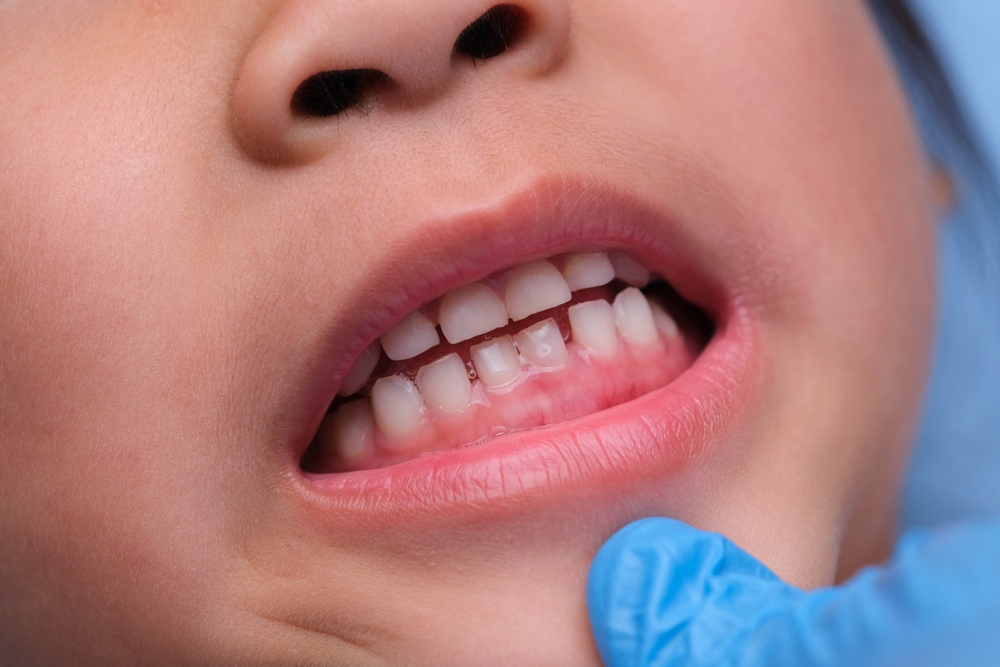
Most parents assume that dental development begins when the first baby tooth erupts — but in reality, it starts long before birth. Baby teeth begin forming at just eight weeks’ gestation, and the habits your child experiences from birth through the first years shape their jaw, airway, bite, oral function and long-term dental health.
What many families don’t realise is that challenges like mouth breathing, tongue ties, dental decay, orthodontic concerns and feeding difficulties are often connected. And when parents understand what actually supports healthy development, early intervention can prevent years of issues later.
This is where a naturopath trained in oral health and orofacial development becomes invaluable — helping parents recognise early red flags and create the ideal conditions for strong, healthy dental growth.
Below is a practical guide to the key stages of dental development and how to support them.
1. Dental Development Before Birth: Pregnancy Foundations for Healthy Teeth & Jaws
Baby teeth begin forming extremely early, meaning their structure reflects maternal nutrient stores, not what the baby eats in the first year.
Nutrients that matter most:
- Fat-soluble vitamins (A, D, E, K2): Essential for tooth formation and mineralisation
- Minerals (Calcium, Magnesium, Phosphorus, Trace Minerals): Structural building blocks
- Hydration & mineral-rich water: Filtered water often requires remineralisation
- Birth spacing: At least 18+ months gives the mother time to replenish nutrient stores
Parents with low mineral intake (e.g., dairy-free) may need additional support to optimise their nutrient status.
2. Birth, Feeding & Early Oral-Motor Development
Breastfeeding = jaw physiotherapy
Breastfeeding supports optimal jaw growth by stimulating the palate, strengthening the tongue, and encouraging nasal breathing.
But breastfeeding doesn’t always go smoothly — often due to structural or oral-motor limitations in the baby, not anything the parent is doing wrong.
Common causes of breastfeeding challenges:
- Tongue tie
- High/narrow palate
- Prematurity
- Low oral tone
- Birth trauma
- Fatigue
- Structural restrictions
Bottle-feeding can also support healthy development
When breastfeeding is not possible or used alongside bottle feeding, technique matters:
- Keep baby’s head, neck and body aligned
- Hold bottle at a 45° angle
- Avoid very slow-flow teats
- Watch for excessive tongue protrusion or “wide jaw” movements
Small adjustments here influence jaw shape, swallow pattern, and airway development.
3. Introducing Solids: Texture Matters More Than Parents Realise
Around six months, babies transition from a suck–swallow pattern to a mature swallow. Texture exposure during this period is crucial.
Avoid:
- Sippy cups and slow-flow valves → push tongue forward; reinforce immature swallow
- Food pouches squirted into the mouth → limit chewing and promote tongue thrust
Instead:
- Use open cups or free-flow straw cups
- Offer supervised texture exploration (gnawing, sucking, chewing)
- Use pouches only if squeezed onto a spoon
Safe chewing options include peeled pear cores, soft fruits, steamed veggies, scrambled eggs, and nutrient-dense spoon foods alongside baby-led weaning.
Frequent choking or chewing fatigue may signal low oral tone or airway issues.
4. Breathing, Airway Health & Sleep: The Hidden Dental Shapers
How a child breathes is one of the most powerful influences on jaw growth.
Children should breathe through their nose, not their mouth.
Mouth breathing lowers tongue posture, narrows the palate, and increases risk of crooked teeth.
Signs of airway or sleep issues:
- Snoring
- Restless sleep
- Open-mouth breathing
- Dark circles
- Frequent waking
- Chronic congestion
- Struggling to focus during the day
These issues affect not only dental development, but behaviour, learning, mood and cognitive function.
A practitioner trained in airway health can help determine whether:
- Allergies
- Enlarged tonsils/adenoids
- Tongue tie
- Structural jaw issues
- Environmental triggers (dust mites, mould)
are playing a role.
5. Dummies, Thumb-Sucking & Oral Habits: When to Intervene
These habits are not “bad behaviour.” Children use them to:
- Self-soothe
- Open their airway
- Compensate for low tongue posture
- Manage structural restrictions
Dummies are ideally phased out by 12 months, but removing them without addressing underlying causes can worsen sleep or anxiety.
Thumb-sucking exerts stronger pressure than needed to move teeth and can impact bite development.
Habit correction works best when:
- Airway is clear
- Tongue tie addressed (if present)
- Child is emotionally ready
- Tongue rests properly on the palate
6. When to Seek Support
Seek a comprehensive oral-health and airway assessment if you notice:
- Feeding challenges
- Difficulty chewing
- Frequent gagging/choking
- Snoring or noisy breathing
- Ongoing dummy or thumb reliance
- Open-mouth posture
- Narrow palate or crowded teeth
- Recurrent ear infections
- Concerns about jaw growth
A naturopath trained in oral-motor and airway development looks at the full picture: feeding mechanics, sleep, breathing, environment, nutrient intake, structural issues and developmental stages.